
120 GHz Radar Level Transmitter with Bluetooth
A 120 GHz radar level transmitter with a lens antenna and a very narrow beam, built for dusty silos, agitated vessels and long ranges.
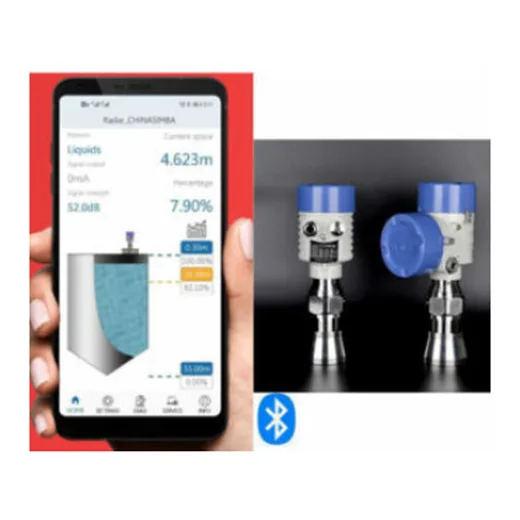
Key Features of the 120 GHz Radar Level Transmitter with Bluetooth
120 GHz FMCW
Allpronix describes it as the first 120 GHz FMCW radar level transmitter, with a 10 GHz sweep bandwidth for fine resolution.
Narrow 1° beam
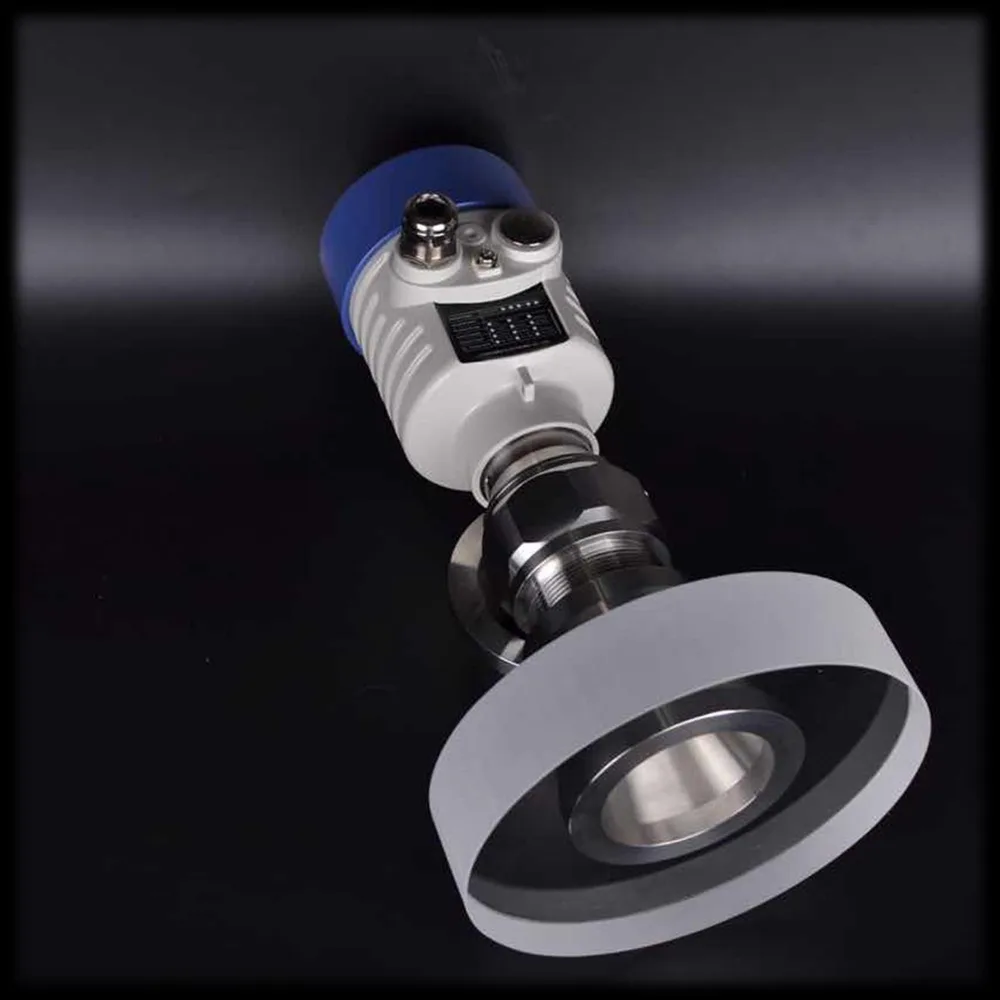
The lens antenna focuses the signal into a beam of about 1°.
A narrow beam helps the signal avoid walls, internal fittings and agitators in tall or narrow vessels.
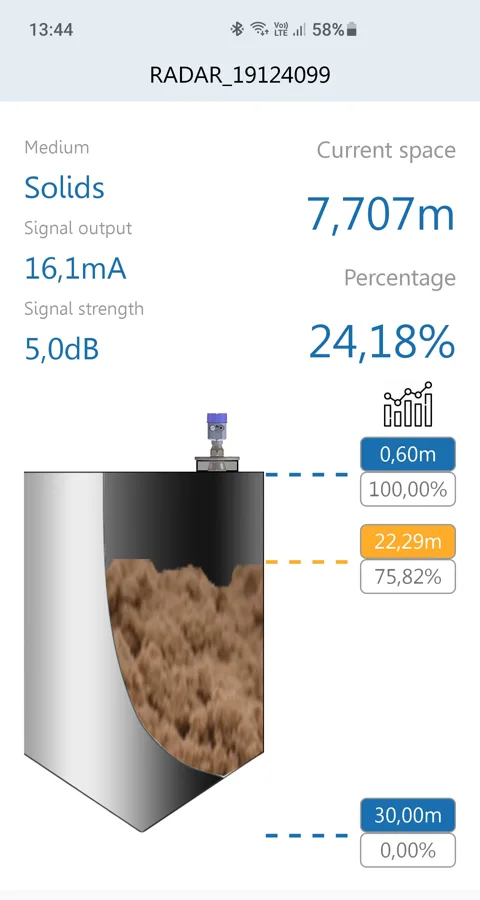
Bluetooth app set-up
Configure the transmitter from a phone over Bluetooth, or use the PC software or the local keys and colour display.
HART as standard
4 to 20 mA with HART, with Modbus RS485 as an option for digital integration into the PLC or SCADA.
Dusty and condensing duties
Suited to cement, limestone and other dusty silos, and to sticky or condensing applications.
Rugged housing
IP67 aluminium housing with a four-wire DC or AC supply.
Process temperature is -40 to +130 °C as standard, higher with cooling options.
120 GHz radar Technical Specifications
Tap a group to filter the radar level transmitter specifications, or show them all.
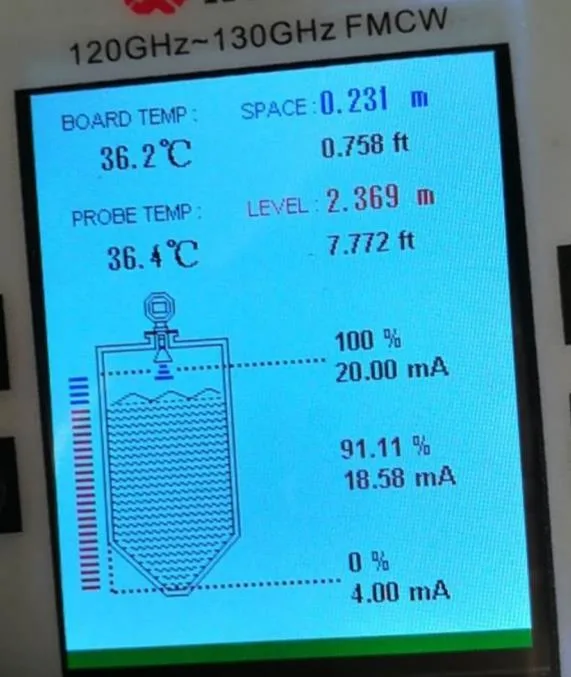
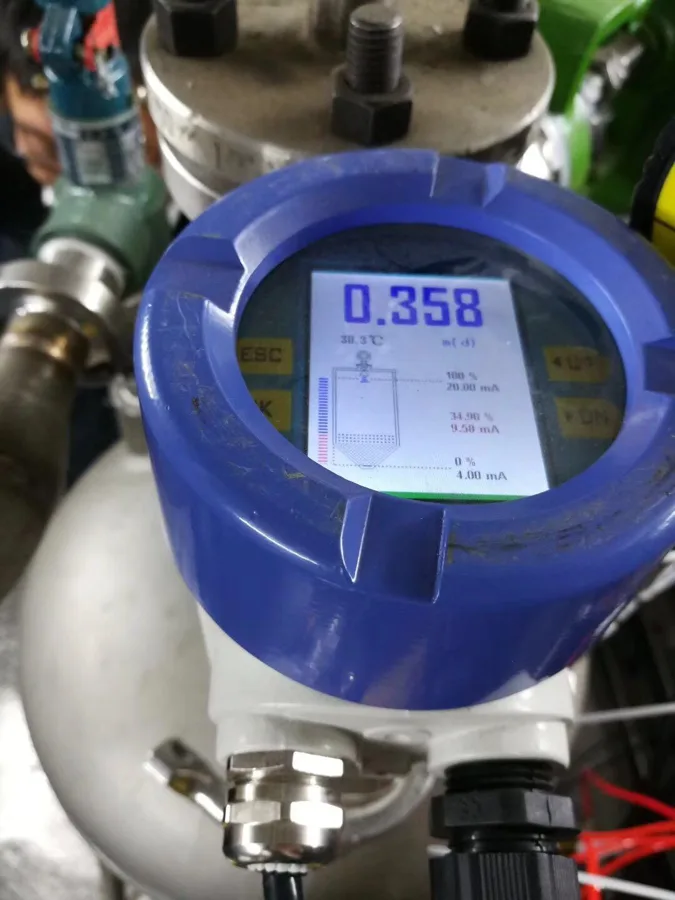
- 120 GHzFMCW radar10 GHz sweep
- 1°Beam anglelens antenna
- 150 mMaximum range50, 100 or 150 m
- ±1 mmAccuracyas stated by Allpronix
| Specification | Details |
|---|---|
| Frequency | 120 GHz FMCW, 10 GHz sweep bandwidth |
| Measuring range | 50, 100 or 150 m |
| Beam angle | About 1°, lens antenna |
| Accuracy | 1 mm, as stated by Allpronix |
| Output | 4 to 20 mA with HART; Modbus RS485 optional |
| Set-up | Bluetooth app, PC or local keys |
| Display | Colour display |
| Process temperature | -40 to +130 °C standard, higher with cooling options |
| Housing | Aluminium, IP67 |
| Supply | Four-wire, DC or AC |
Figures from the Proplant PCE product listing and the Allpronix product page. Hazardous-area approval to be confirmed per version before specifying it for a classified zone. Allpronix product page
Download BrochureHow does the 120 GHz radar work?
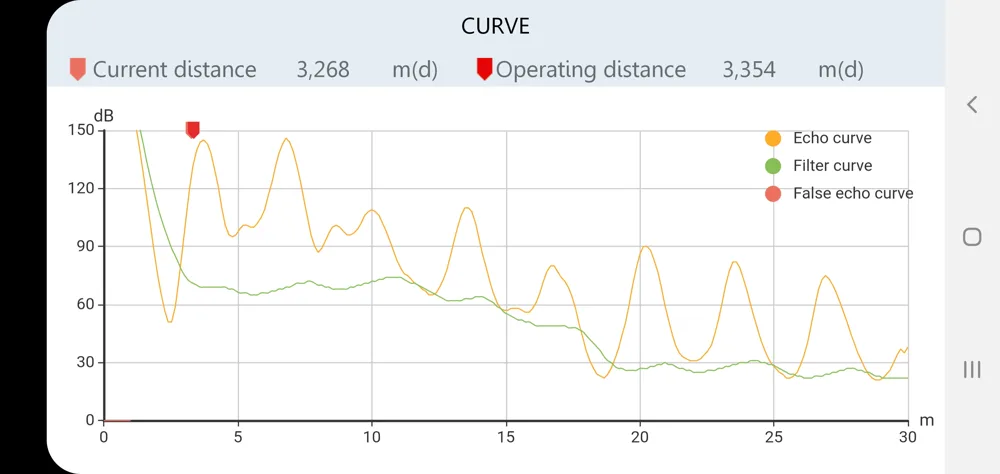
Step by step:
A narrow beam lets the transmitter sit closer to walls and internals than a wider radar. Low dielectric materials still reflect weakly, and mounting position and nozzle design still matter, so send us the vessel drawing before choosing the location.
Example only. Your own range is set in the app to suit the vessel.
Where the 120 GHz radar is used
Typical applications for this radar level transmitter, from the manufacturer's documentation.
- 01Dusty silosCement, limestone and other dusty bulk materials.
- 02Reactors with agitatorsAgitated vessels, where the narrow beam helps the signal avoid the blades.
- 03Sticky or condensing dutiesApplications with build-up or condensation on the vessel internals.
- 04Tall vesselsLong ranges, with options up to 150 m.
- 05Liquids and solidsLiquids, powders, solids and pastes.
How the 120 GHz radar compares
The highlighted row is this instrument. Tap any other name to open its page.
| Instrument | Principle | Range | Output | Supply | Protection |
|---|---|---|---|---|---|
| Ultrasonic | |||||
| ACS Sonicont USN integral ultrasonic | Ultrasonic | 2, 5 or 8 m | 4 to 20 mA or 0 to 10 V | 9 to 30 V DC (mA) | IP65 / IP67 |
| ACS Sonicont USG2 + USF remote ultrasonic | Ultrasonic | Up to 25 m | 4 to 20 mA, up to 4 relays | DC or AC | Sensor IP68 (cable), Ex ia option |
| Dinel ULM-53 / ULM-70 ultrasonic level meter | Ultrasonic | Up to 20 m | 2-wire 4 to 20 mA, HART | Loop powered (mA versions) | IP67, Ex ia versions |
| Radar | |||||
| Allpronix 120 GHz radar level transmitter with Bluetooth | Radar, 120 GHz | Up to 150 m | 4 to 20 mA HART | DC or AC versions | IP67 |
| WADECO High-temperature microwave level meter | Microwave, FMCW | Up to 50 m | 4 to 20 mA, RS-422 | 90 to 240 V AC | Antenna without cooling |
| Capacitance | |||||
| Dinel CLM-36 capacitance level sensor | Capacitance | Rod 5 m, rope 20 m | 4 to 20 mA or 0 to 10 V | 9 to 36 V DC (mA) | IP67, Ex ia IIB version |
| Dinel FLD-32 Flexi Watch thru-wall level sensor | Capacitance, point | Switch point | 2-wire switch | 6 to 30 V DC | IP67 |
| Hydrostatic | |||||
| Dinel HLM-25N hydrostatic level probe | Hydrostatic | Up to 200 m H₂O | 4 to 20 mA or 0 to 10 V | 10 to 30 V DC | IP68 |
From Selection to a Working Signal in Your Control System
A level instrument is only as useful as the signal that reaches the control room. Proplant PCE handles the steps around the instrument as well as the instrument itself.
Application review
We check the material, vessel, mounting position and output before recommending a unit.
Supply
Instruments from the brands on this page, with datasheets for your engineering file.
Installation
Mechanical mounting, cabling and termination by our E&I team.
Integration
Signal wiring and configuration into your PLC or SCADA, including Siemens systems.
What to tell us so we can recommend an instrument
Tick off what you already know. We will check the 120 GHz radar against your conditions, or suggest a better fit from our range.
Other level instruments to consider
120 GHz radar FAQ
Why choose 120 GHz radar over lower frequency radar?
A higher frequency gives a narrower beam from a smaller antenna. That helps the signal avoid vessel walls, ladders and agitators, and suits tall, narrow or dusty silos.
How far can it measure?
Range options are 50, 100 or 150 m, so one model family covers short process vessels and tall silos.
How is it set up?
Over Bluetooth from a phone app, with PC software, or with the local keys and colour display on the unit.
What outputs does it give?
4 to 20 mA with HART. Modbus RS485 is available as an option.
Can it measure solids as well as liquids?
Yes. It is used on liquids, powders, solids and pastes, including cement, limestone and other dusty silos.
Is it suitable for hazardous areas?
Hazardous-area approval depends on the version. Tell us the zone classification and we will confirm the certification before you specify it.
Can Proplant PCE help me choose the right level instrument?
Yes. Send us the material, vessel or chute details, process conditions and required output, and our team will recommend a suitable instrument.
Let's Discuss Your Level Application
Tell us what you are measuring, where the instrument will sit and what the signal needs to do. We will come back with a recommendation and the datasheet.