Process Control Equipment and Instrument Supply in South Africa
Instruments, valves and electrical products for mines, smelters and process plants.
Proplant PCE is an industrial process control equipment and instrument supplier to mines, smelters and process plants in South Africa.
As a process control equipment supplier, our industrial control equipment range covers flow, level, pressure, temperature and non-nuclear density instruments, control valves and actuators, automation components, electrical products and solar and battery systems. You can buy a product on its own, or have our industrial instrumentation team select, install and calibrate it. For PLC, SCADA and control system work, see plant automation.
Engineering Solutions Start with the Right Equipment
Choosing industrial equipment is about far more than selecting a product from a catalogue.
- 01Incorrectly specified instrumentation,
- 02Poorly sized control valves,
- 03Unreliable sensors, or
- 04Incompatible automation components
which can
- Increase maintenance costs,
- Reduce process stability, and
- Create unnecessary operational risk.
Our product range has been carefully selected to support accurate measurement, reliable control, and efficient plant operation in demanding industrial environments.
Because better equipment supports better engineering decisions.
Industrial process control equipment, by category
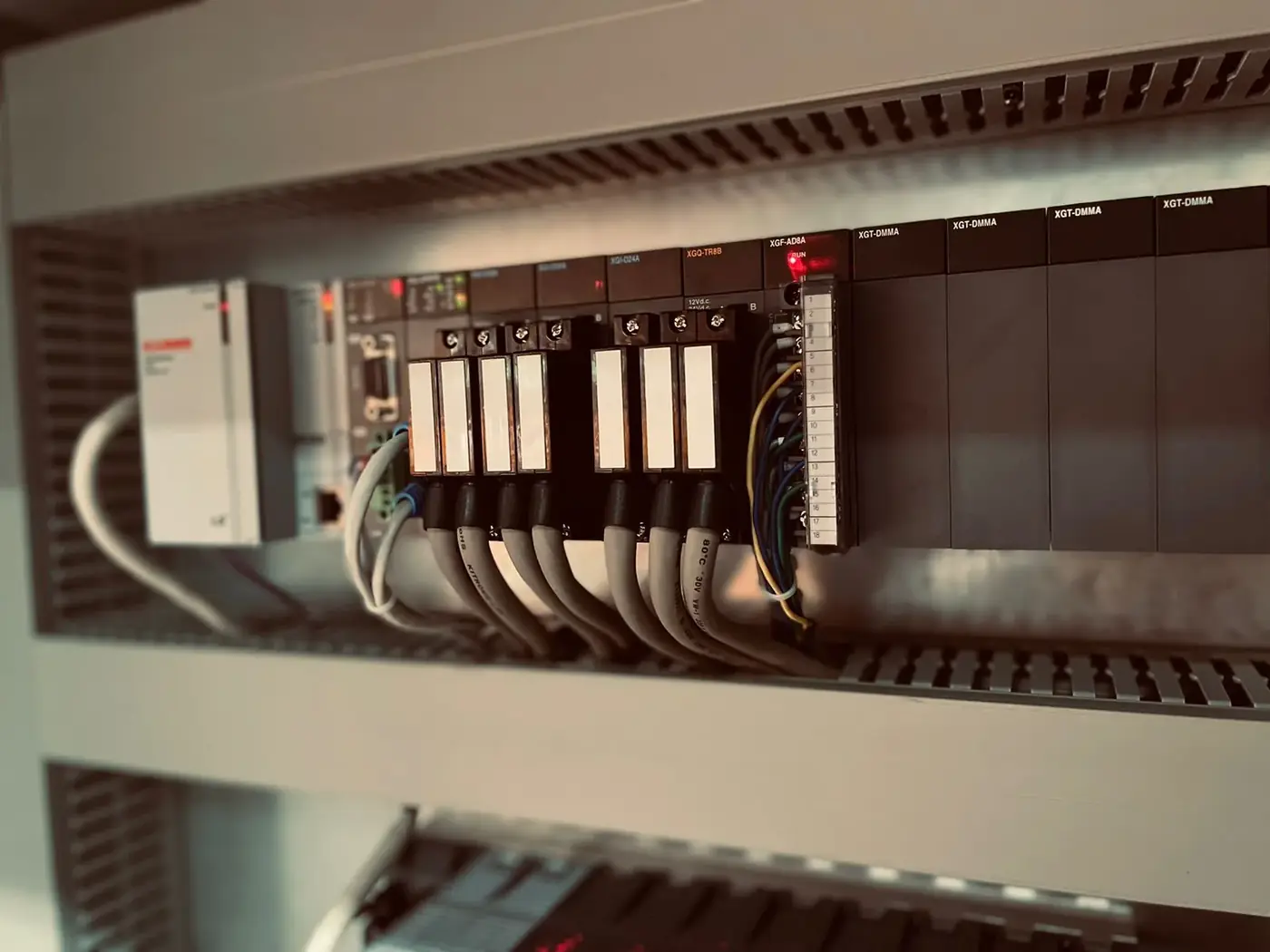
Industrial Automation
PLCs, I/O, process controllers, indicators and IO-Link components for control panels and plant control systems.
Solutions include
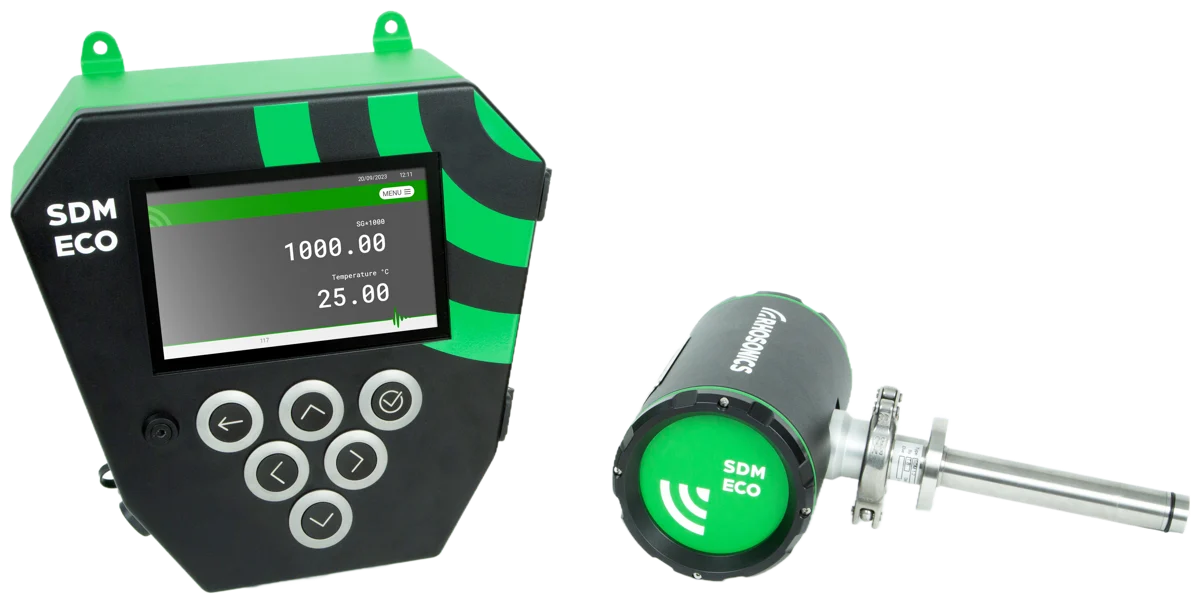
Non-Nuclear Density Measurement
Reliable Non-Nuclear density measurement improves recovery, process control, and production efficiency.
Applications include
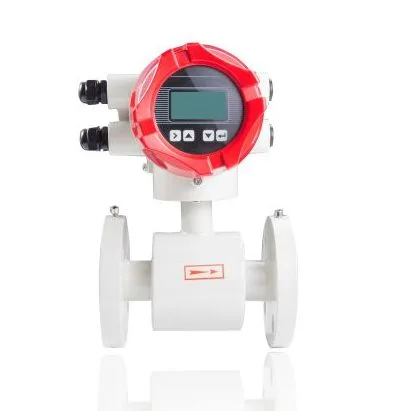
Flow Measurement
Reliable flow measurement is essential for production efficiency, process optimisation, batching accuracy, and operational visibility.
Our flow measurement solutions support a wide range of industrial processes across mining, manufacturing, water treatment, and chemical processing.
Solutions include
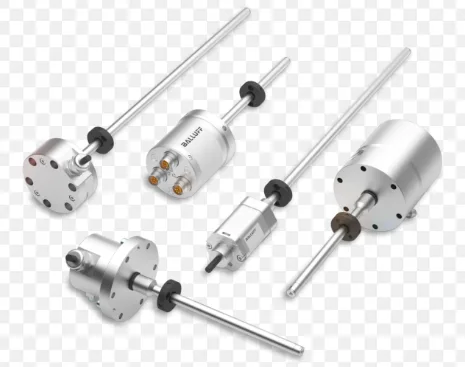
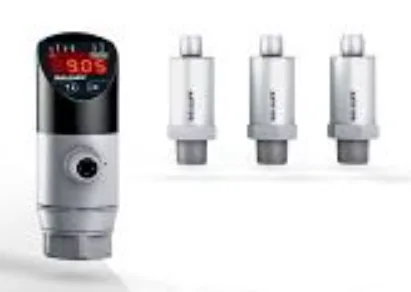
Pressure Measurement
Accurate pressure monitoring protects equipment, improves safety, and maintains stable process control.
Solutions include
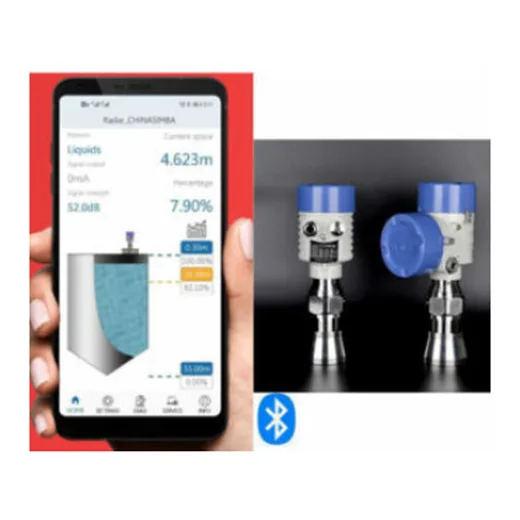
Level Measurement
Knowing exactly what is happening inside tanks, silos, vessels, and hoppers improves operational visibility and reduces process interruptions.
Solutions include
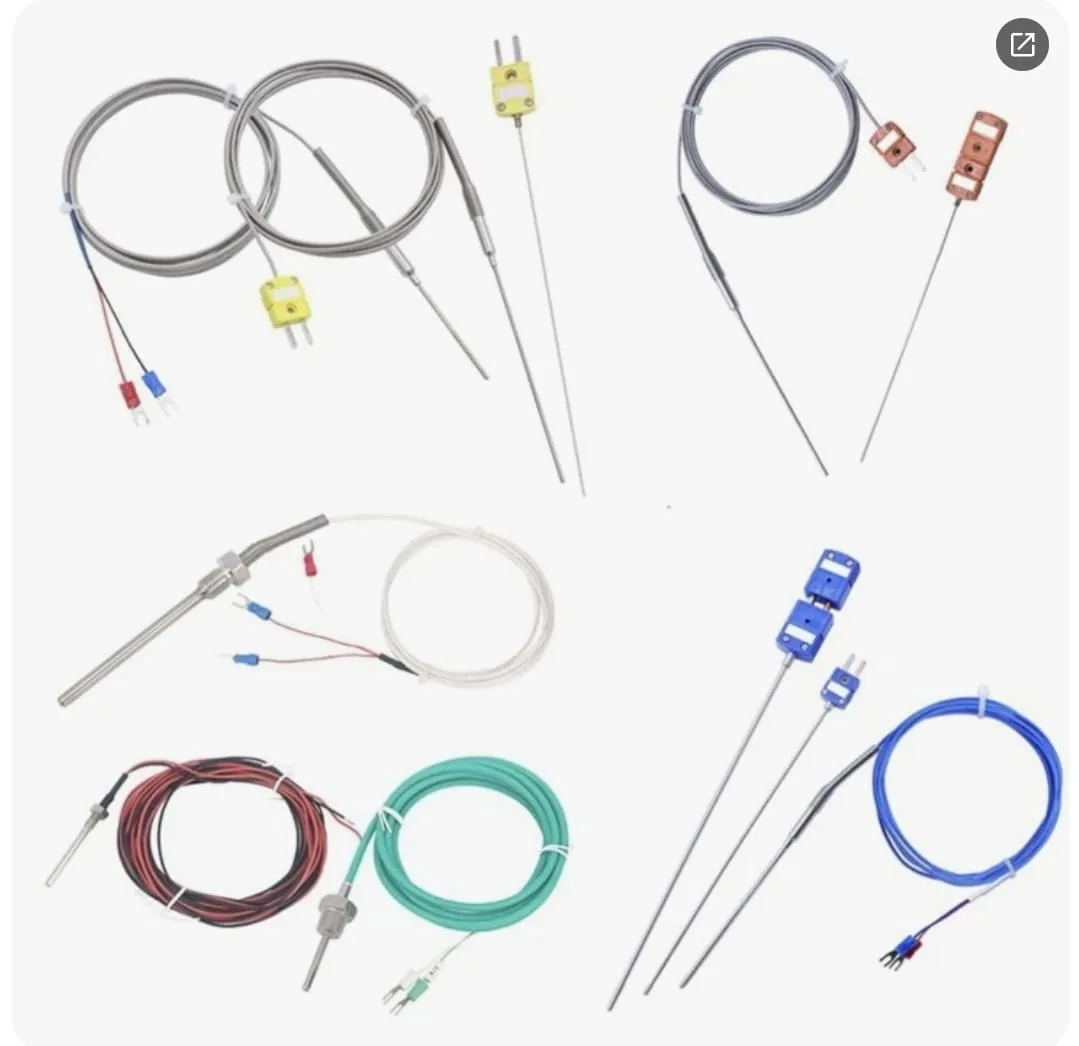
Temperature Measurement
Temperature directly influences product quality, energy efficiency, and process stability.
Solutions include
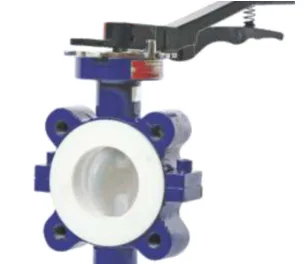
Control Valves
Control valves influence every automated process.
Correct valve sizing and specification improve control accuracy, reduce maintenance, and increase equipment life.
Solutions include
Speak to an engineer about control valves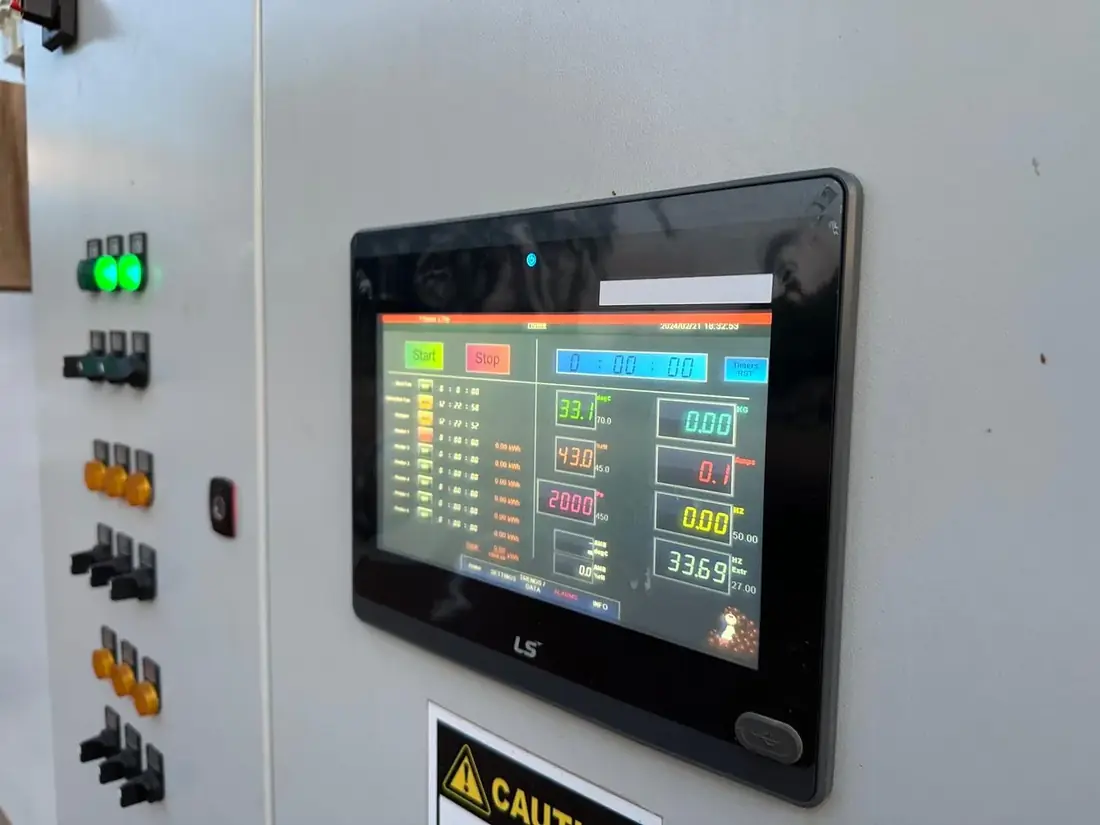
Electrical Products
Reliable electrical infrastructure supports safe, stable, and continuous plant operation.
Solutions include

Solar & Battery Energy Systems
Reduce energy costs, improve power reliability and support operational continuity with commercial solar and battery energy storage solutions.
We design and supply scalable systems for industrial, commercial and agricultural facilities, delivering dependable energy performance and long-term value.
Solutions include
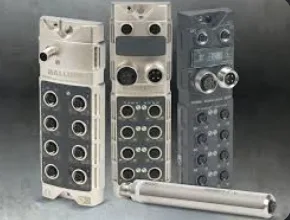
Networking & Connectivity
Industrial networking and connectivity solutions that enable reliable communication between field devices, PLCs, SCADA systems and remote operations.
From industrial Ethernet and wireless networking to remote monitoring and surveillance, Proplant PCE helps create connected, data-driven industrial environments.
Solutions include
Flagship solutions that set Proplant PCE apart.
Rhosonics Non-Nuclear Density Measurement
02Featured technologyWadeco Microwave Blocked Chute Detection
03Featured technologyPX400 Pressure Transmitters
04Featured technologyElectromagnetic Flow Meters
05Featured technologyIndustrial Control Valves
06Featured technologyPLC & Automation Systems
How to get the right equipment quoted
Tell us the process conditions and we will recommend an instrument from our range or tell you if another type suits better.
What to send us
- The medium and its condition: water, slurry, chemical, gas, steam or solids
- Pipe or vessel size and the installation space available
- Minimum, normal and maximum flow, level or pressure
- Process temperature and pressure
- The signal your control system needs: 4 to 20 mA, HART, Modbus or IO-Link
- Hazardous area classification and how the reading will be used
Our engineering team assists clients in selecting products that support operational reliability rather than simply meeting minimum technical requirements.
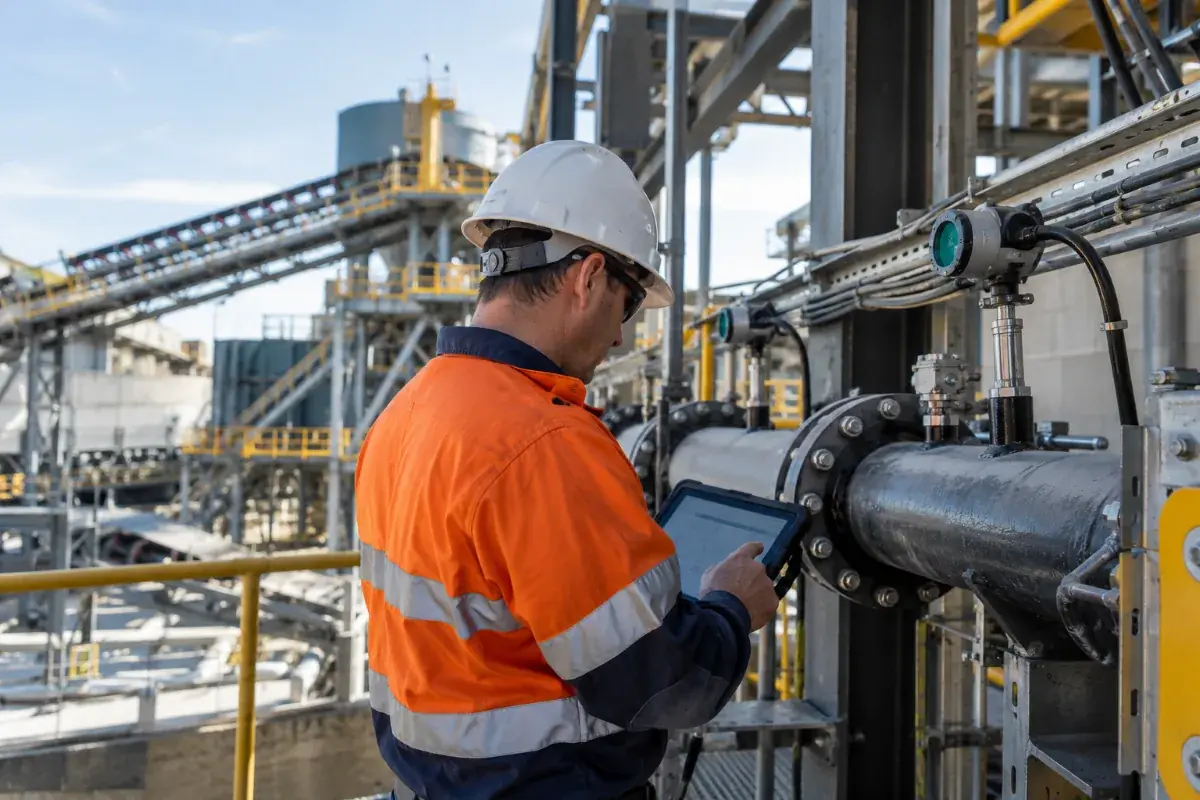
We help industrial facilities improve
Because the right product is only valuable when it delivers better operational outcomes.
We help industrial facilities improve:
Industries We Support
Frequently Asked Questions
Answers to common questions about selecting process control, instrumentation, and automation products.
How do I choose the right flow meter for my application?
Flow meter selection depends on the fluid and the process, not just the pipe size. Key factors include the fluid type (clean liquid, slurry, gas, or steam), conductivity, viscosity, flow range, required accuracy, line size, pressure, temperature, and whether the fluid is abrasive or corrosive. As a guide: electromagnetic meters suit conductive liquids and slurries, Coriolis meters suit high-accuracy mass and density measurement, ultrasonic meters suit clean liquids and non-invasive installs, and vortex meters suit steam and gas. Our engineering team matches the technology to your actual process conditions rather than to a catalogue specification.
What is the difference between nuclear and non-nuclear density measurement?
Nuclear (radiometric) density gauges use a radioactive source, which brings licensing, storage, transport, and safety obligations along with ongoing regulatory oversight. Non-nuclear technologies, such as Rhosonics ultrasonic density transmitters, achieve reliable density measurement without a radioactive source, removing that regulatory and handling burden. For most slurry and process density applications, non-nuclear measurement delivers comparable performance while simplifying compliance and reducing lifecycle risk.
How do I size a control valve correctly?
Correct sizing is based on the flow coefficient (Cv) required across the full operating range, not just the line size. It considers the fluid, flow rate, inlet and outlet pressures, pressure drop across the valve, temperature, and the potential for cavitation or flashing. An oversized valve controls poorly at low flow and wears quickly; an undersized valve restricts capacity. We size valves against actual process data so they deliver stable control and long service life.
Which pressure transmitter is best for harsh environments?
In harsh environments the priority is the transmitter’s wetted materials, diaphragm, seal type, and enclosure rating, not the accuracy spec alone. Aggressive media, high temperatures, vibration, and washdown conditions call for corrosion-resistant diaphragms, remote or flush diaphragm seals, and an appropriate ingress and hazardous-area rating. We specify transmitters, including the PX400 range, to match the media, temperature, and installation conditions of your application.
Can I buy instruments without installation?
Yes. You can buy instruments and equipment from Proplant PCE on their own. If you want help, our team can check the selection against your process conditions before you order.
How often should industrial instrumentation be calibrated?
Calibration frequency depends on the instrument, its criticality, the process conditions, and any regulatory or quality requirements. Critical measurements and instruments in demanding or abrasive service are calibrated more often, while stable, non-critical points can be checked less frequently. A risk-based calibration schedule, rather than a fixed one-size-fits-all interval, keeps measurement accuracy where it matters most while controlling maintenance effort.
What causes inaccurate process measurements?
Inaccurate measurements usually come from a combination of factors: incorrect instrument selection or sizing, poor installation (wrong location, insufficient straight pipe runs, trapped air), drift from ageing or fouled sensors, unstable process conditions, and missed calibration. Environmental effects such as temperature, vibration, and electrical noise also contribute. Identifying the root cause, often through an instrumentation review, is the first step to restoring reliable data.
What information do you need to quote an instrument?
The medium, pipe or vessel size, operating range, process temperature and pressure, the output signal you need and any hazardous area classification. With these we can recommend a model and confirm it suits the application.
Need Help Selecting the Right Solution?
Choosing the right instrumentation or automation product can have a significant impact on plant performance and lifecycle costs. Our engineers are available to help you identify the most suitable solution for your application.